
The United Kingdom is witnessing a significant shift in its food trading landscape, with sustainability becoming a central pillar. This change reflects a broader global movement towards environmentally conscious and ethically responsible consumption. In this blog, we explore the growing trend of sustainable food trading in the UK, its impacts, and the future it holds.
Understanding Sustainable Food Trading
Sustainable food trading refers to practices that prioritize environmental health, social equity, and economic viability. This approach often includes sourcing locally grown produce, supporting fair trade, reducing food miles, and minimizing waste. In the UK, this trend is gaining momentum as consumers, businesses, and policymakers increasingly recognize the urgency of addressing climate change and ethical issues in the food industry.
The Shift in Consumer Preferences
A pivotal factor driving sustainable food trading is the change in consumer preferences. More UK residents are seeking out *organic foods, **locally sourced produce, and products with **ethical certification*. This shift is not just a fad but a reflection of a growing awareness about the impact of food choices on the environment and communities.
Key Players in Sustainable Food Trading
Several entities play a crucial role in the UK’s sustainable food trading scene:
Local Farmers and Markets
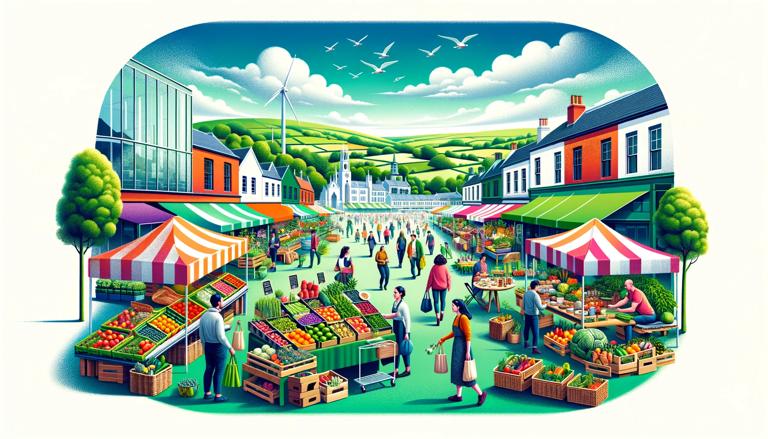
Local farmers and markets are at the heart of sustainable food trading. By buying directly from these sources, consumers can reduce food miles and support the local economy. Farmers’ markets and community-supported agriculture (CSA) programs are becoming increasingly popular in urban and rural areas across the UK.
Sustainable Food Brands
A growing number of *sustainable food brands* are emerging, offering everything from organic snacks to ethically sourced coffee. These brands often use eco-friendly packaging and transparent supply chains to appeal to conscious consumers.
Government Policies
The UK government is also playing a role in promoting sustainable food trading. Policies and initiatives aimed at reducing carbon emissions in agriculture, supporting local farmers, and encouraging sustainable practices in the food industry are shaping the future of food trading in the country.
The Impact of Sustainable Food Trading
The rise of sustainable food trading in the UK has several positive impacts:
Environmental Benefits
By reducing food miles, minimizing waste, and supporting organic farming, sustainable food trading helps in lowering carbon emissions and preserving biodiversity.
Economic Advantages
This trend also boosts the local economy by supporting small-scale farmers and businesses. It creates a resilient food system less dependent on global supply chains.
Health and Nutritional Value
Sustainable food often means fresher, less processed items, which can have health benefits. Organic and locally sourced foods are perceived as more nutritious and freer from harmful pesticides and additives.
Challenges and Solutions
Despite its benefits, sustainable food trading faces challenges such as higher costs and limited accessibility. Solutions include government subsidies for sustainable farming practices, educational campaigns to raise awareness, and community initiatives to make sustainable foods more accessible.
Future Prospects of Sustainable Food Trading in the UK
Looking ahead, sustainable food trading in the UK is poised for growth. With technological advancements in sustainable farming, increasing consumer demand, and supportive government policies, the future looks promising. This trend has the potential to transform the UK’s food landscape, making it more sustainable, healthy, and equitable.
Embracing Technology
Innovations like vertical farming, blockchain for food traceability, and AI in agriculture will play a pivotal role in scaling up sustainable food trading.
Continued Consumer Engagement
As consumers continue to drive demand, we can expect more businesses to adopt sustainable practices and offer more eco-friendly food options.
Policy Support and Collaboration
The collaboration between government, industry, and consumers is crucial for the long-term success of sustainable food trading. Policies that encourage sustainable practices and support local economies will be key.
Conclusion: A Sustainable Future for UK Food Trading
The rise of sustainable food trading in the UK is a positive step towards a more responsible and environmentally friendly food system. As this trend continues to grow, it promises not only to benefit the planet but also to offer healthier, more ethical food choices for consumers. The future of food in the UK looks greener, and we all have a role to play in this exciting transition.